

 CART
0
Itemes
0.00
CART
0
Itemes
0.00
If you have ever cleaned scale out of a humidifier or emptied a stale water tank, you already know the appeal of a low-maintenance diffuser. Waterless nebulizing diffusers do away with the water entirely — and with it, most of the cleaning. This guide explains why a waterless design is more hygienic and easier to live with, day to day.
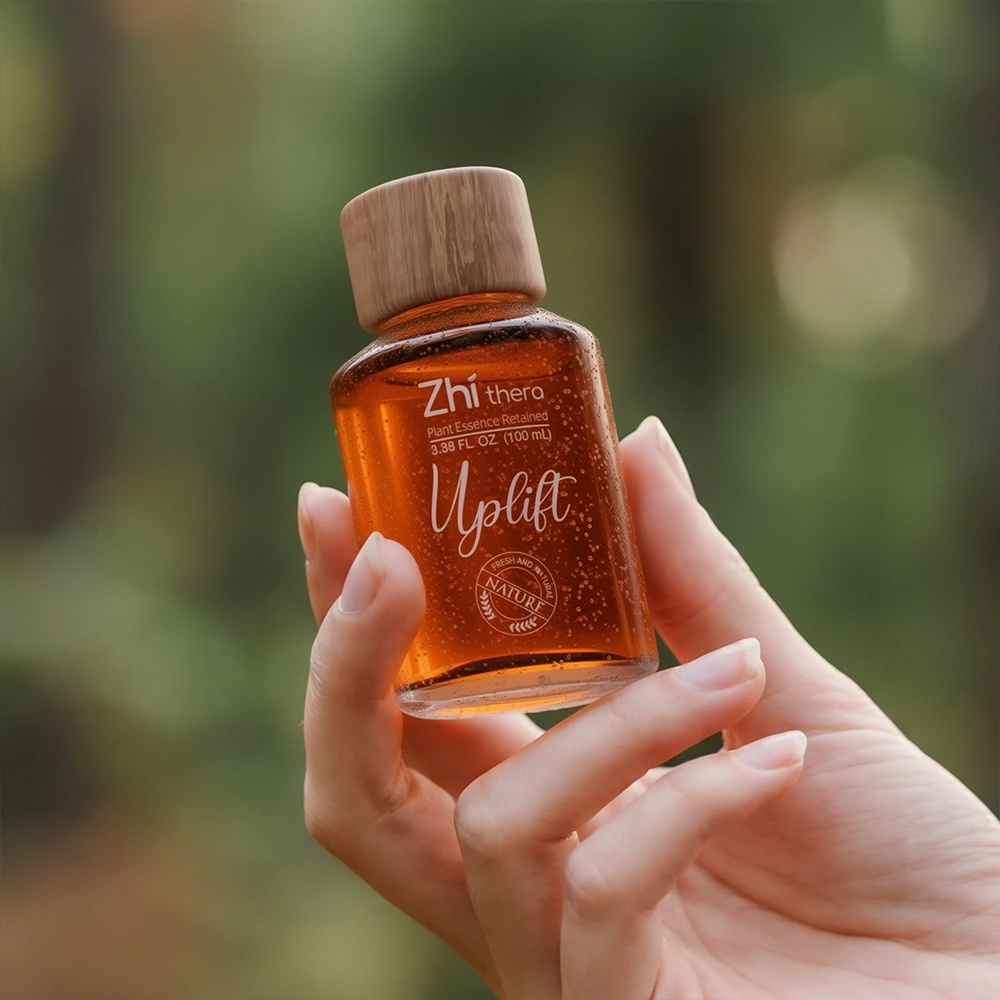
Water-based diffusers hold a tank of water mixed with a few drops of oil. Left unattended, that standing water needs regular emptying and cleaning to stay fresh, and over time mineral scale or oil residue can build up inside the tank. A damp tank left between uses is exactly where stale smells can start. (For the full comparison, see waterless vs ultrasonic diffusers.)
A waterless diffuser keeps pure oil in a sealed chamber and atomizes it directly using micro-mesh atomization — the same principle behind nebulizing diffusion. There is no water to change, no tank to scrub, and very little residue. By removing the water, it removes the part of a diffuser that needs the most cleaning.
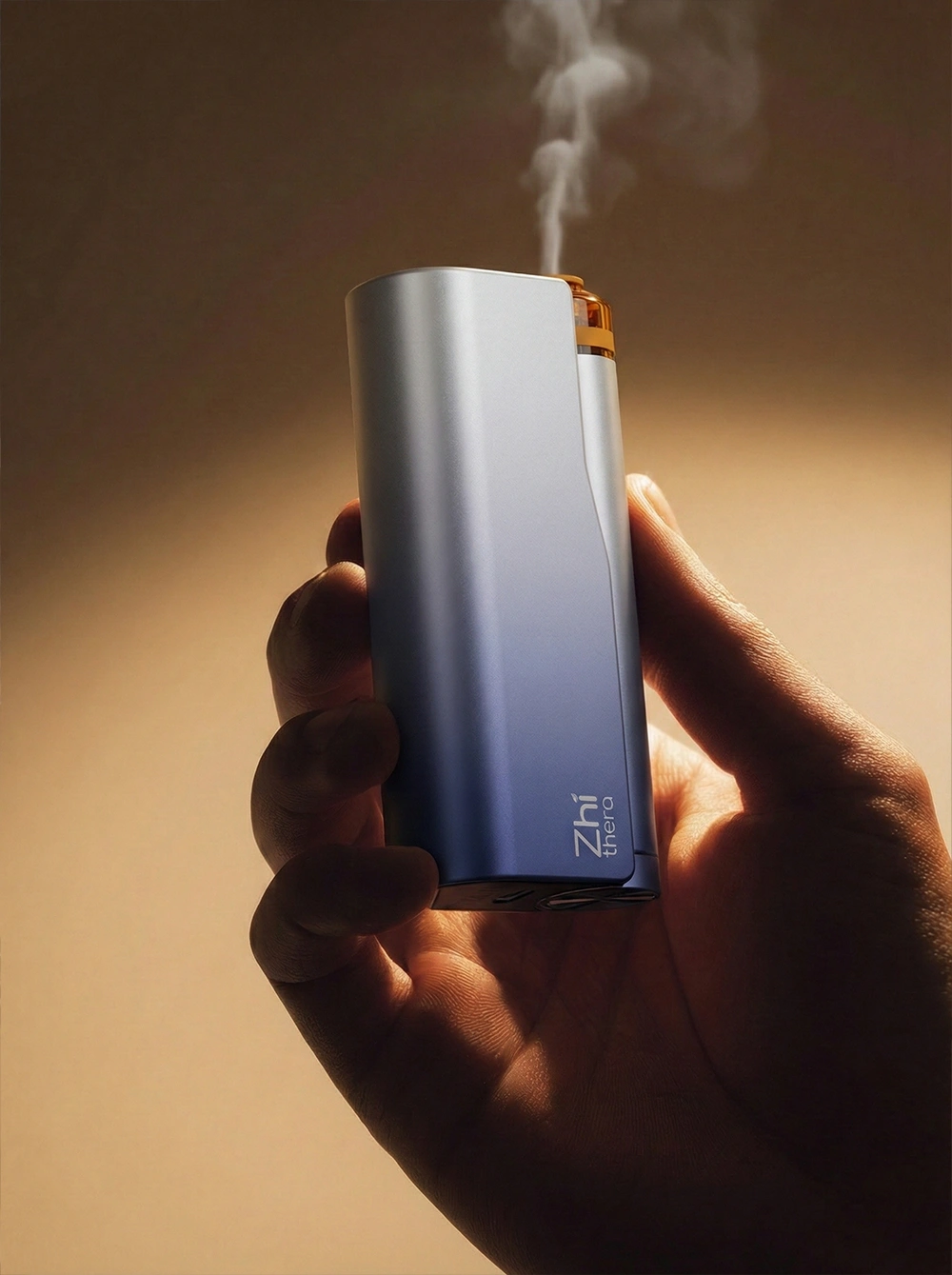
Because a waterless diffuser works oil-to-mist, the one component worth caring for is the atomizing mesh. A light wipe now and then, and using pure, low-viscosity oils, keeps the mist even and the maintenance minimal — a fair trade for skipping the water tank entirely. See how to clean and maintain your diffuser and why your diffuser mist looks weak for the (very short) routine.
Zhithera's waterless Micro-Mesh design pairs a sealed, refillable oil chamber with a fine atomizing mesh, so you get clean, consistent aromatherapy with very little upkeep. Spend less time on maintenance and more time enjoying the scent.
Essential oils are aromatic plant extracts for diffusion only and are not intended to diagnose, treat, disinfect, cure or prevent any condition.


Zhithera – A Professional Aromatherapy Delivery System Zhithera designs waterless, heat-free diffusers that atomize pure botanical essential oils and designer fragrance oils into a micron-fine mist using Advanced Micro-Mesh Atomization. Built for consistent, controllable aromatic states — focus, relaxation, recovery and restful ambiance — our range serves homes, offices, cars, spas, hotels and retail spaces worldwide. Every batch is traceable and supported by recognized third-party testing, with dependable wholesale and distribution support for partners around the globe.
Aromatherapy & Essential Oil Notice
Zhithera essential oils and fragrance oils are non-medical aromatic products intended for diffusion only. They are not intended to diagnose, treat, cure or prevent any disease or condition, and are not medical devices. Do not apply oils to skin or ingest them, and keep oils and devices out of reach of children and pets. Ensure good ventilation, and if you are pregnant, nursing or have a medical condition, please consult a qualified professional before use. Scent is experienced differently by everyone; discontinue use if any irritation occurs. We make no therapeutic, disinfecting or insect-repellent claims for any Zhithera product.