



 CART
0
Itemes
0.00
CART
0
Itemes
0.00
Reed diffusers, scented candles and electric diffusers each fill a room with fragrance in a different way — and none is simply "better" than the others. The right choice depends on how much control, coverage, safety and convenience you want. This guide compares all three so you can pick the method (or mix of methods) that fits your home.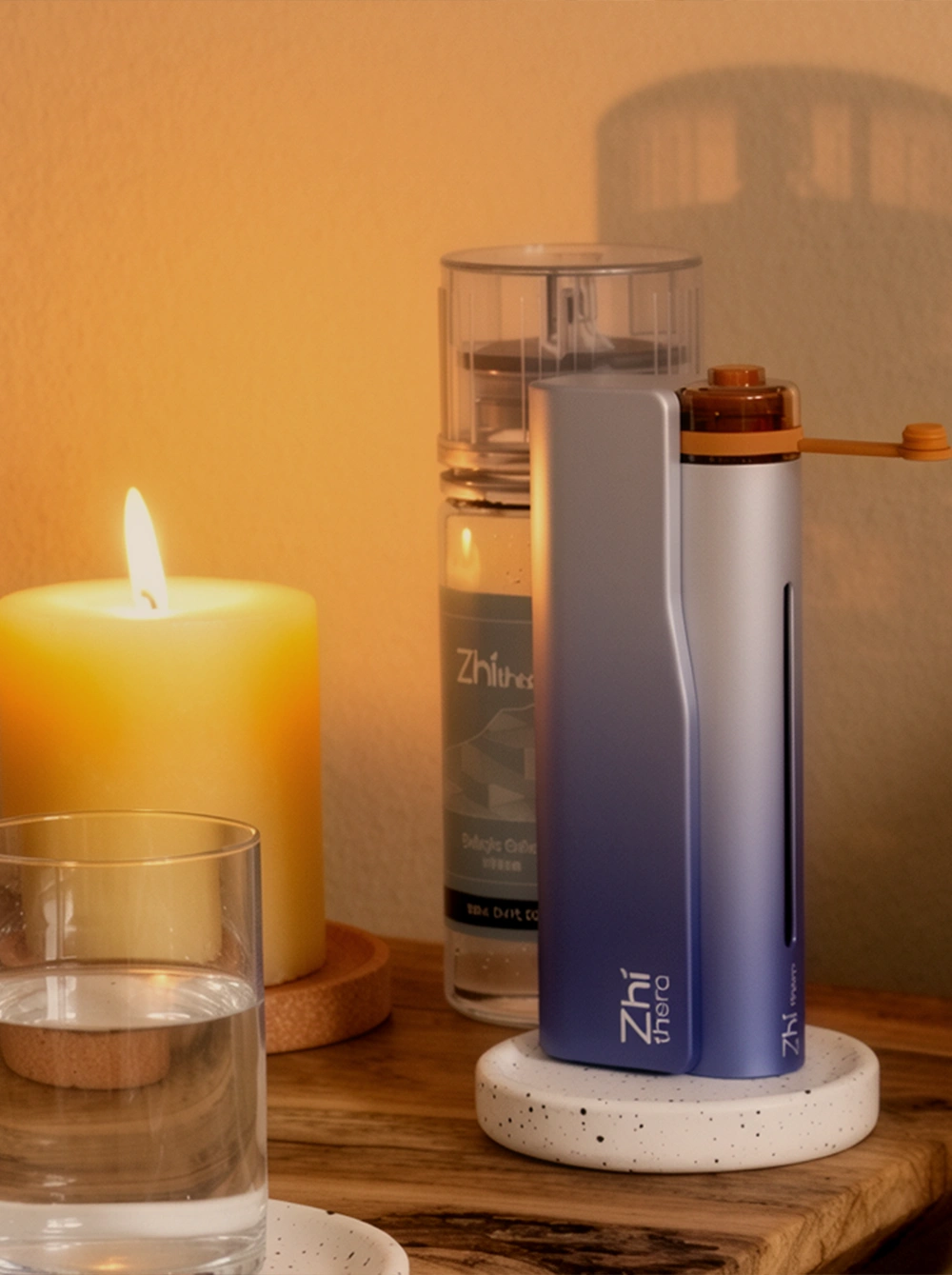
Before comparing, it helps to know how each actually works, because that is what drives their strengths and limits.
Reeds sit in a bottle of scented liquid and draw it up to release it slowly into the air. They are flame-free, silent and very low effort, which makes them a nice touch for a hallway or bathroom. The trade-offs: the aroma is gentle and localised, hard to turn up or down, and it fades gradually as the liquid evaporates and the reeds saturate.
Candles add warm light and a cosy atmosphere along with fragrance, so they do more than scent a room. But they involve an open flame, need supervision, and should be kept away from children, pets and drafts. Their scent throw depends on burn time and wax quality, and once lit, the intensity is largely fixed.
An electric diffuser gives you the most control — adjustable intensity, more even coverage and flame-free operation. A waterless nebulizing diffuser goes further by dispersing pure essential oils as a true-to-oil mist you can turn up to fill a large space or down for gentle, all-day background scent. See what is a nebulizing diffuser for how that works.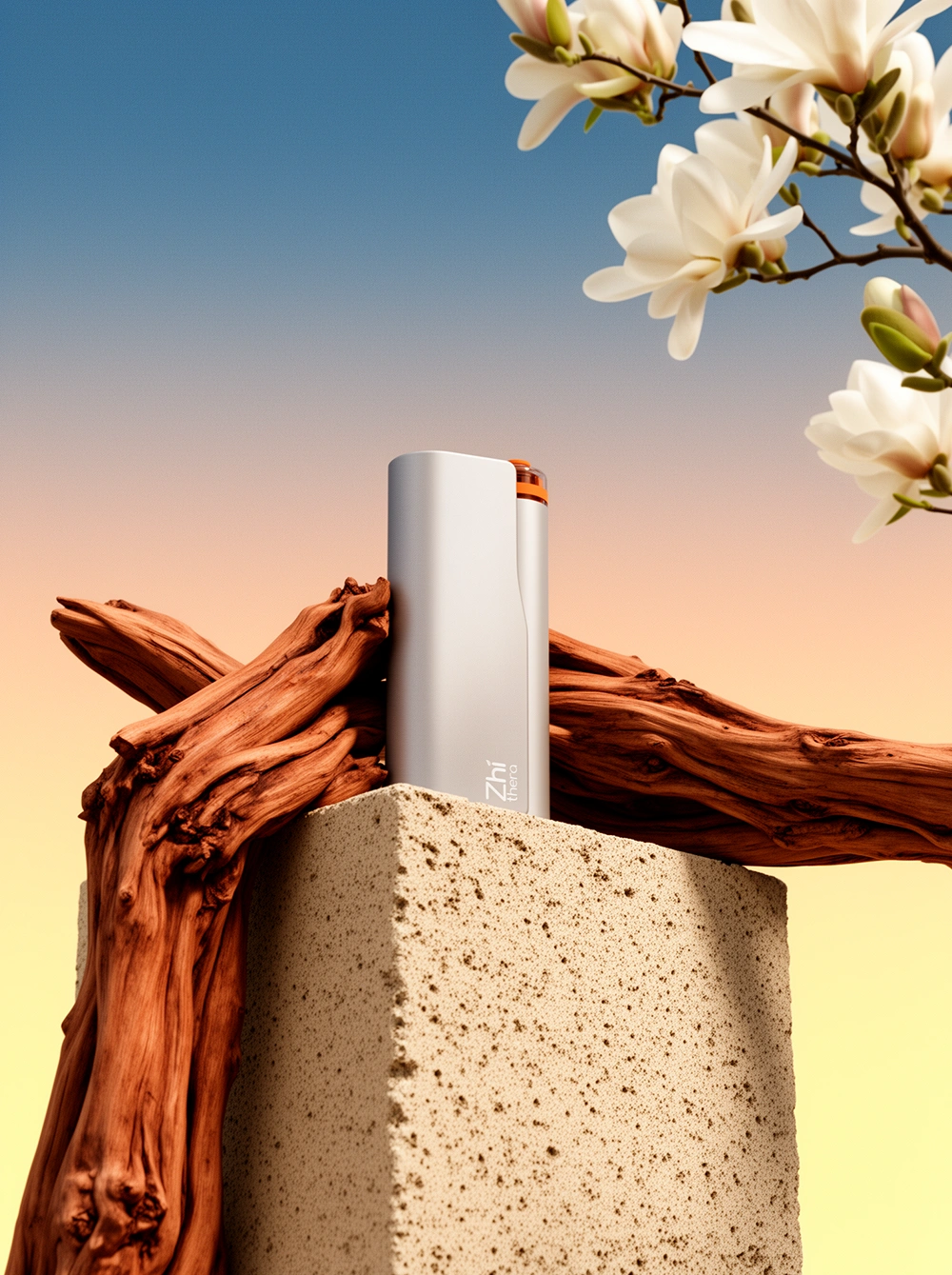
You do not have to pick just one. A reed can quietly freshen an entryway, a candle can set a relaxed evening mood, and a diffuser can give you precise, adjustable scent for daily living and larger rooms. If you want the most control, the cleanest scent and the freedom to change aromas on demand, an electric diffuser is the most versatile of the three — and a waterless one is also the lowest-maintenance, as we explain in why waterless diffusers are more hygienic and low-maintenance.
Zhithera's waterless, flame-free design gives you adjustable, true-to-oil scent and the freedom to switch between pure essential oils and fragrance oils in one refillable device — ideal for everyday, all-day aroma at home, at work or on the road. Compare it with a water-based unit in waterless vs ultrasonic diffusers, or explore the full diffuser range.
Essential oils are used in aromatherapy for diffusion only and are not intended to diagnose, treat, cure or prevent any condition. Never leave a burning candle unattended; keep oils, devices and open flames away from children and pets.


Zhithera – A Professional Aromatherapy Delivery System Zhithera designs waterless, heat-free diffusers that atomize pure botanical essential oils and designer fragrance oils into a micron-fine mist using Advanced Micro-Mesh Atomization. Built for consistent, controllable aromatic states — focus, relaxation, recovery and restful ambiance — our range serves homes, offices, cars, spas, hotels and retail spaces worldwide. Every batch is traceable and supported by recognized third-party testing, with dependable wholesale and distribution support for partners around the globe.
Aromatherapy & Essential Oil Notice
Zhithera essential oils and fragrance oils are non-medical aromatic products intended for diffusion only. They are not intended to diagnose, treat, cure or prevent any disease or condition, and are not medical devices. Do not apply oils to skin or ingest them, and keep oils and devices out of reach of children and pets. Ensure good ventilation, and if you are pregnant, nursing or have a medical condition, please consult a qualified professional before use. Scent is experienced differently by everyone; discontinue use if any irritation occurs. We make no therapeutic, disinfecting or insect-repellent claims for any Zhithera product.