



 CART
0
Items
0.00
CART
0
Items
0.00
NEWS & BLOG · October 5, 2026 · By Zhithera
The essential oils safe for dogs question is usually about how you use a diffuser, not about a list of scents. You can control airflow, output level, session length and access to the device and oils. Those habits matter more than any single aroma note, and professional guidance is important for individual animals.
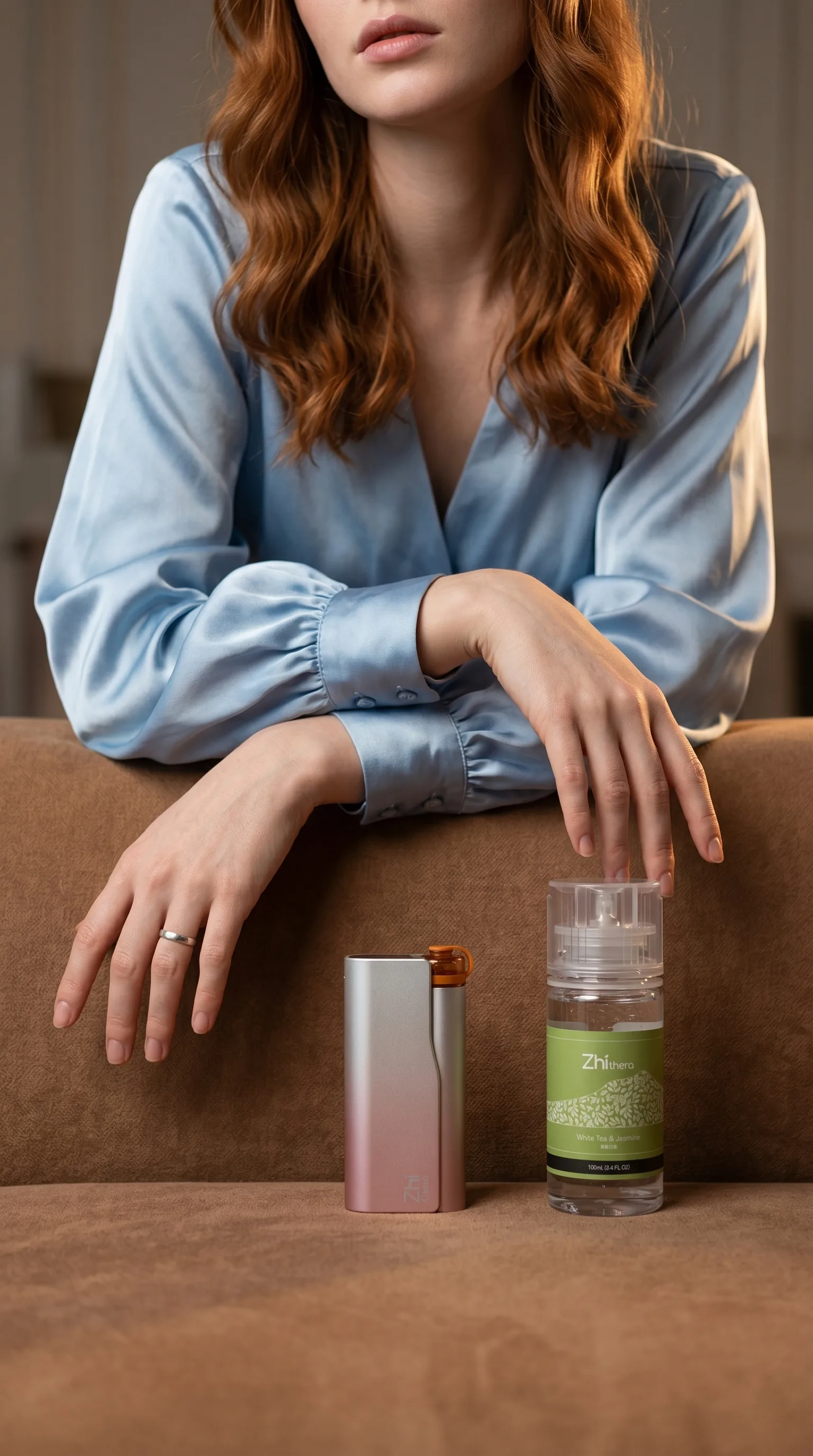
You cannot predict how an individual dog will react to airborne scent. You can set up the environment so exposure stays limited and the dog can choose to leave. That means fresh air, short runs, low output and keeping hardware and bottles out of reach of children and pets. Use oils for diffusion only. Do not apply them to skin or ingest them.
Rooms should stay ventilated and the diffuser placed where a dog can move away freely. If you notice any change in behavior, stop use and consult a veterinarian. Pregnant or breastfeeding people, infants, older adults and anyone on medication or with a chronic condition should consult a qualified professional before use.
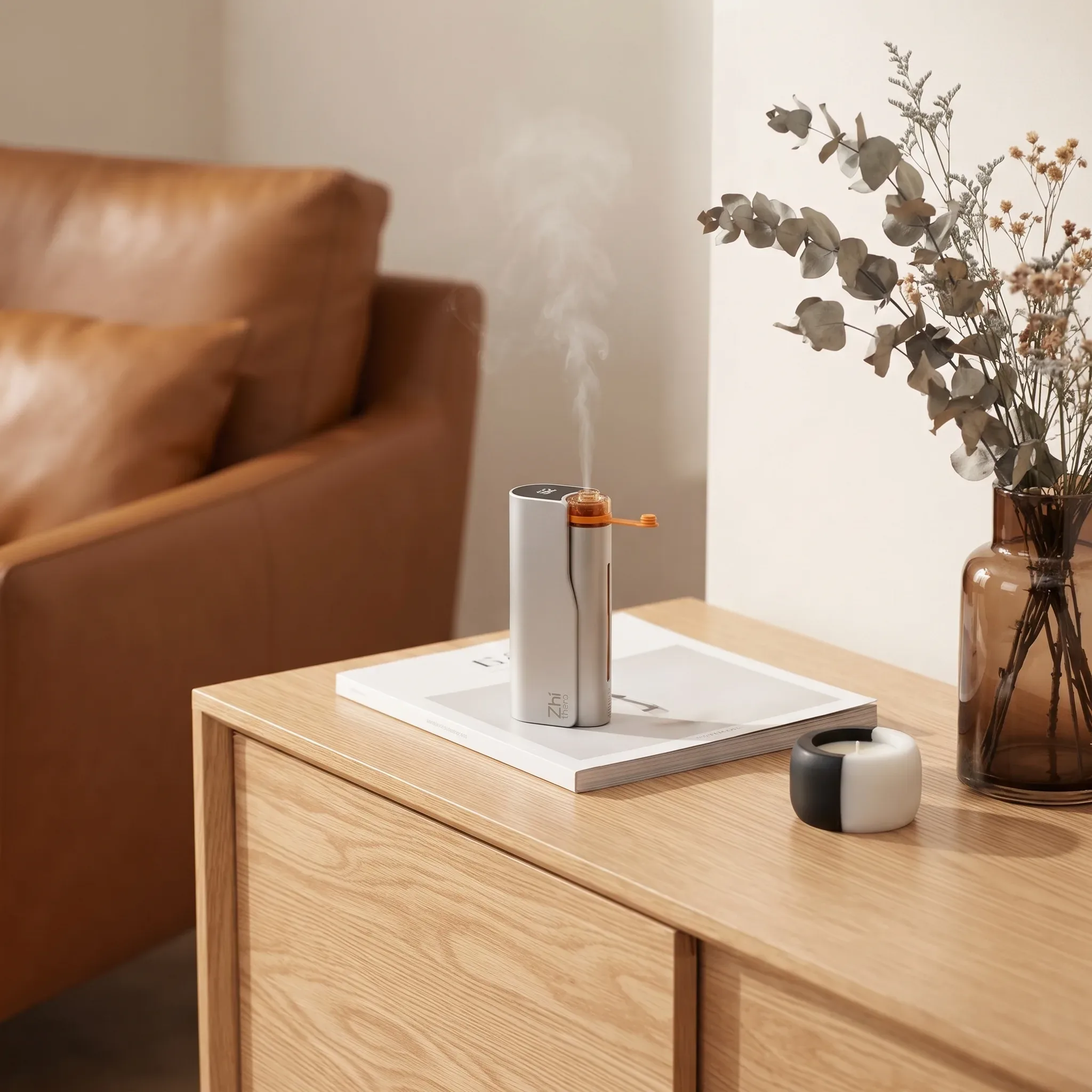
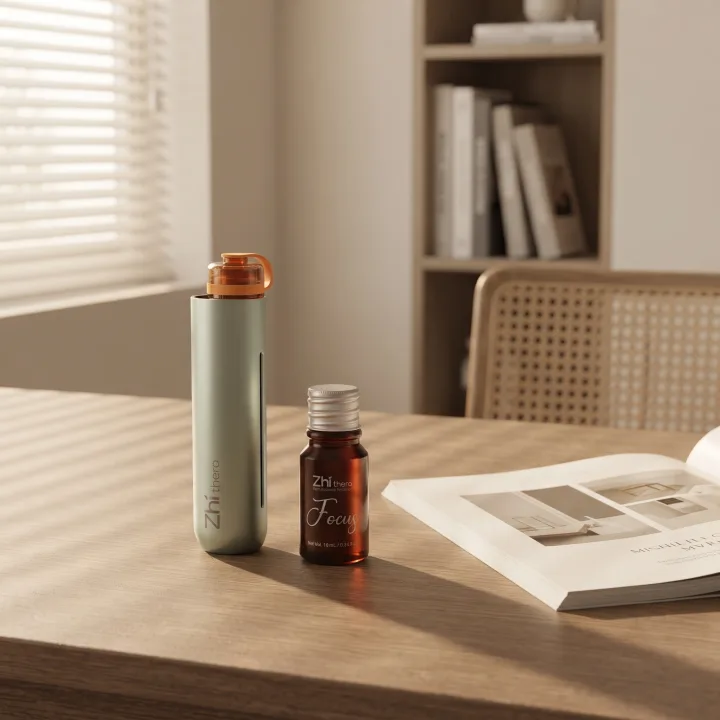
Zhithera devices atomize oil with a vibrating mesh and no water or heat. The D1 has an aluminum body and a 6.5 milliliter refillable cartridge that can be swapped between scents, with low, medium and high continuous output options. The D1 Mini uses an engineering plastic build, shares the same cartridge size and offers a magnetic swap and a magnetic mount for car use. Learn more about Diffusers collection to compare models.
The D1 Mini runs three patterns: a brief mist every few minutes, a more frequent short mist, and a motion sensing mode for the car that mists briefly when vibration is detected. On the D1, tests show around 0.14 ml per hour at low intermittent, about 0.87 ml per hour at medium and about 4.3 ml per hour at high continuous. Low output is the economical everyday choice and high is meant to fill a space quickly rather than run all day.
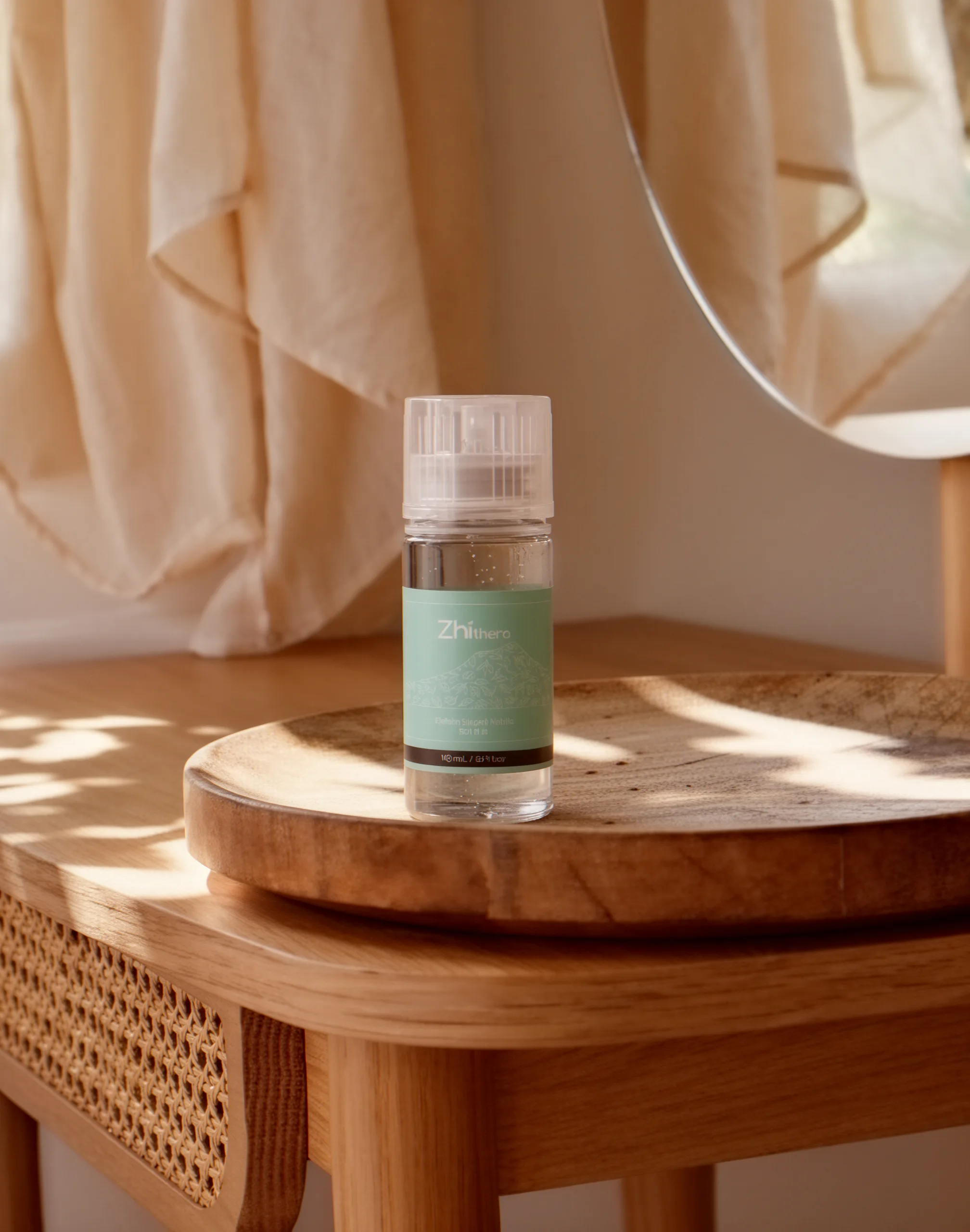
Consistent habits reduce exposure and give your dog choice. Keep the diffuser on a stable surface out of reach and never leave oils unattended.
For more on waterless operation, see how to diffuse without water. The Refillable Oil Cartridge makes scent changes clean and simple.
Brand guidance indicates cats and dogs show greater sensitivity to tea tree oil. If you choose to diffuse, keep the room ventilated, use the lowest output, allow the animal free access to leave the area and store the oil out of reach. Professional advice is recommended before use.
Citrus oils like lemon, sweet orange, bergamot and grapefruit contain natural photosensitive compounds. Use them for diffusion only and avoid skin contact before sun exposure. People with high blood pressure, a history of seizures or who are pregnant are advised to seek professional guidance before using rosemary.
Pure botanical essential oils are small molecule and disperse quickly, so the scent fades fast. They suit close range use in small rooms. Designer fragrance oils hold longer and are formulated for larger spaces and hospitality use. Explore Essential Oils for scent character notes.
Match output to space and keep sessions brief. For close personal range up to about 5 square meters, such as a desk or car, low or intermittent output works well with either oil line.
For a bedroom or study around 10 to 15 square meters, low to medium output with short runs keeps scent light. For larger living areas, medium day to day and high only before guests arrive, mainly with fragrance oil, helps avoid continuous heavy exposure. Actual coverage varies with ceiling height, ventilation and partitions.
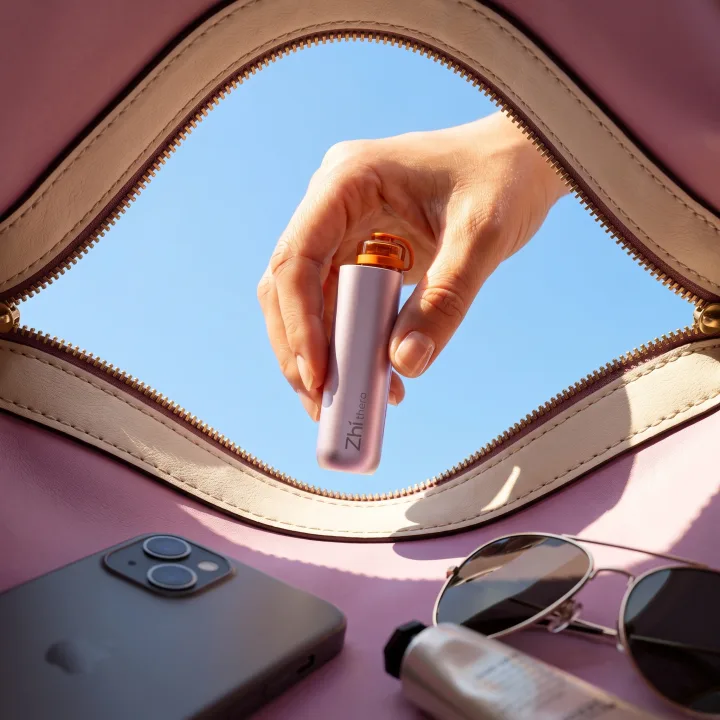
The D1 Mini Essential Oil Diffuser is convenient for close range and car use.
Keep sessions short and intermittent. Many owners run a waterless diffuser for a few minutes at a time with breaks in between. Watch your dog for any change in behavior and stop use if it occurs. Always provide fresh air and an exit route.
Start with low or intermittent output and short bursts. The D1 low intermittent and D1 Mini mode 1 provide minimal output for close range use. Increase only if needed and keep the room ventilated so your dog can leave freely.
Cats and dogs are more sensitive to tea tree oil. If a diffuser is used, ventilate the room, use the lowest setting, let the animal leave freely and keep the oil out of reach. Consult a veterinarian before use and do not apply oils to skin.
Open a window or door during and after use to allow air exchange. Place the diffuser where air can move and where your dog can move away. Short sessions with breaks help scent disperse and reduce continuous exposure.
For homes with pets, the D1 waterless diffuser and D1 Mini offer low output modes and 6.5 ml refillable cartridges that make short controlled sessions easy. Explore the D1 Waterless Diffuser to compare models and settings.
 October 12, 2026
Sustainability and environmental impact of waterless diffusers
October 12, 2026
Sustainability and environmental impact of waterless diffusers
 October 8, 2026
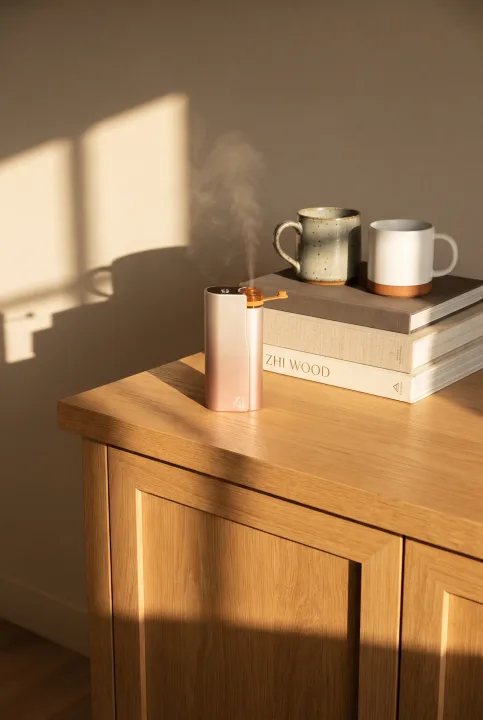
Side-by-Side Diffuser Model Comparison and Tech Specs
October 8, 2026
Side-by-Side Diffuser Model Comparison and Tech Specs
 October 3, 2026
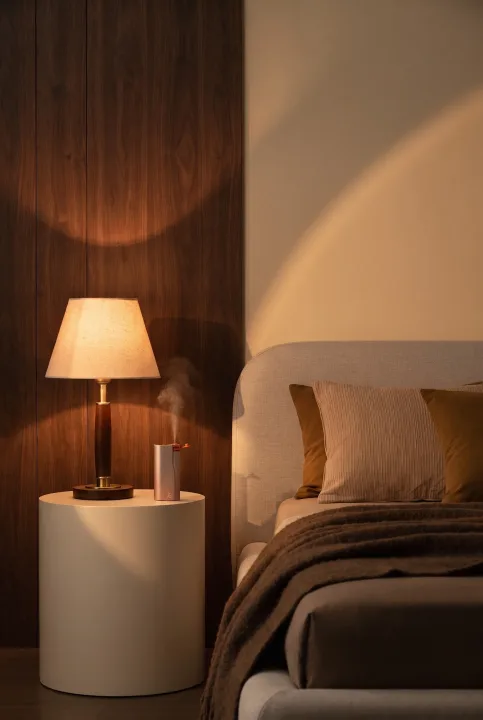
Lavender Essential Oil for the Bedroom: Placement and Pairings
October 3, 2026
Lavender Essential Oil for the Bedroom: Placement and Pairings
 October 3, 2026
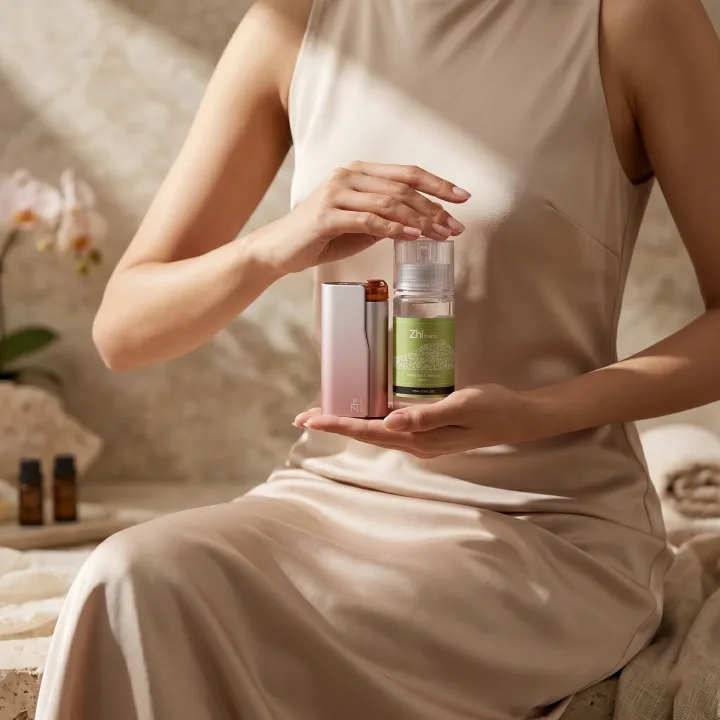
How to Diffuse Essential Oils Without Water
October 3, 2026
How to Diffuse Essential Oils Without Water
 October 3, 2026
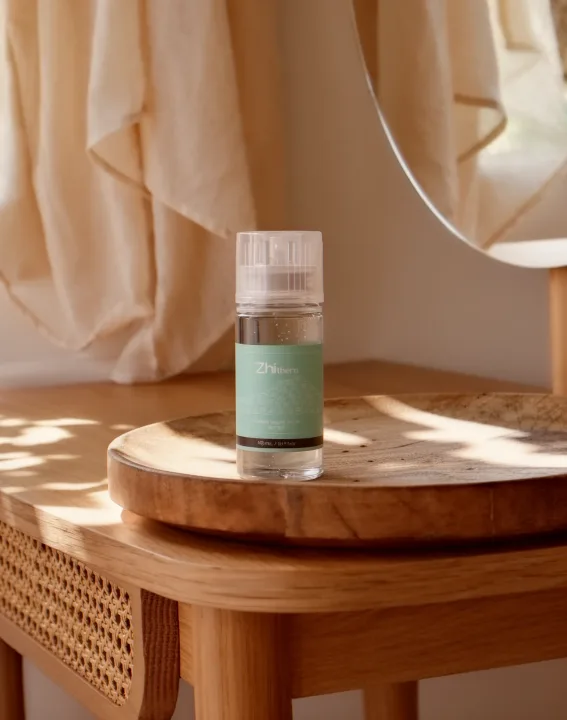
Best Essential Oils for a Car Diffuser, by Scent Family
October 3, 2026
Best Essential Oils for a Car Diffuser, by Scent Family
 October 1, 2026
Cordless & Portable Waterless Diffuser Use Cases
October 1, 2026
Cordless & Portable Waterless Diffuser Use Cases


Zhithera – A Professional Aromatherapy Delivery System Zhithera designs waterless, heat-free diffusers that atomize pure botanical essential oils and designer fragrance oils into a micron-fine mist using Advanced Micro-Mesh Atomization. Built for consistent, controllable aromatic states — focus, relaxation, recovery and restful ambiance — our range serves homes, offices, cars, spas, hotels and retail spaces worldwide. Every batch is traceable and supported by recognized third-party testing, with dependable wholesale and distribution support for partners around the globe.
Aromatherapy & Essential Oil Notice
Zhithera essential oils and fragrance oils are non-medical aromatic products intended for diffusion only. They are not intended to diagnose, treat, cure or prevent any disease or condition, and are not medical devices. Do not apply oils to skin or ingest them, and keep oils and devices out of reach of children and pets. Ensure good ventilation, and if you are pregnant, nursing or have a medical condition, please consult a qualified professional before use. Scent is experienced differently by everyone; discontinue use if any irritation occurs. We make no therapeutic, disinfecting or insect-repellent claims for any Zhithera product.