


 CART
0
Itemes
0.00
CART
0
Itemes
0.00
Herbal essential oils are fresh, green and aromatic — the scents of a sunny kitchen garden. They bring an invigorating lift that works well in workspaces, kitchens and living areas, and they pair naturally with citrus and mint for bright, clean blends. This guide covers the key herbal oils, when to use them, and how to combine them.
Herbal scents sit between the sparkle of citrus and the depth of woods — clean and lively without being sharp. That makes them a natural fit for a focused daytime space or a busy kitchen.
Herbal oils are lively but can be strong, so start low and build up. Rosemary is a great daytime desk scent (see aromatherapy for the workspace); basil and clary sage soften a busy room; thyme and marjoram add warmth in cooler months. Because they are green and aromatic rather than sweet, they keep a space feeling clean and alert.
Rosemary and lemon make a crisp focus blend; basil and bergamot give a bright green mix; clary sage and lavender finish soft and calm. A touch of citrus lifts almost any herbal combination, while a hint of woodiness grounds it — see how to blend and layer essential oils. A cooling note of peppermint or eucalyptus works beautifully here too.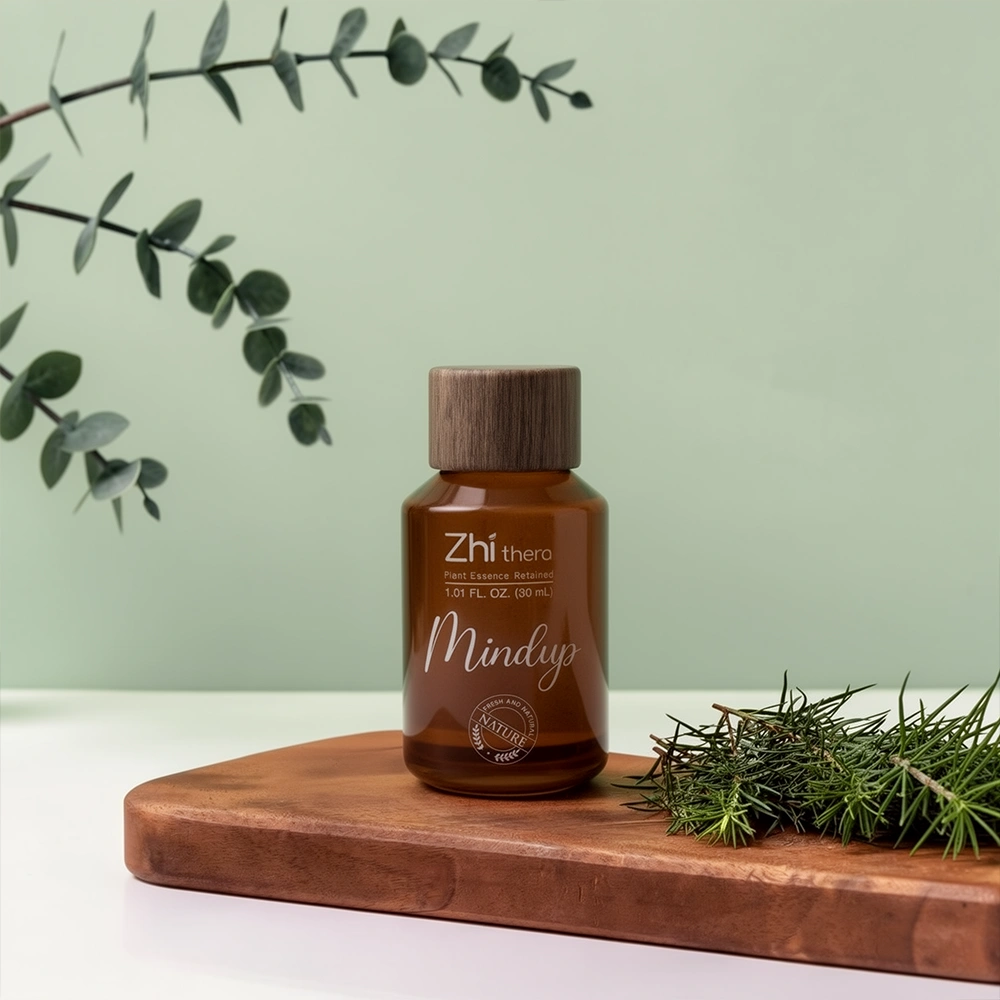
Zhithera's pure essential oil line features Moroccan rosemary — a bright, invigorating botanical — and its waterless Micro-Mesh diffuser keeps herbal scents green and true. Add one for an energising atmosphere at your desk or in the kitchen, and switch to something softer in the evening by swapping the pod.
Essential oils are aromatic products for diffusion only and are not intended to diagnose, treat, cure or prevent any condition.


Zhithera – A Professional Aromatherapy Delivery System Zhithera designs waterless, heat-free diffusers that atomize pure botanical essential oils and designer fragrance oils into a micron-fine mist using Advanced Micro-Mesh Atomization. Built for consistent, controllable aromatic states — focus, relaxation, recovery and restful ambiance — our range serves homes, offices, cars, spas, hotels and retail spaces worldwide. Every batch is traceable and supported by recognized third-party testing, with dependable wholesale and distribution support for partners around the globe.
Aromatherapy & Essential Oil Notice
Zhithera essential oils and fragrance oils are non-medical aromatic products intended for diffusion only. They are not intended to diagnose, treat, cure or prevent any disease or condition, and are not medical devices. Do not apply oils to skin or ingest them, and keep oils and devices out of reach of children and pets. Ensure good ventilation, and if you are pregnant, nursing or have a medical condition, please consult a qualified professional before use. Scent is experienced differently by everyone; discontinue use if any irritation occurs. We make no therapeutic, disinfecting or insect-repellent claims for any Zhithera product.