


 CART
0
Itemes
0.00
CART
0
Itemes
0.00
Lavender is the scent most people picture when they think of aromatherapy. Clean, soft and herbaceous-floral, it is remarkably versatile, easy to blend and a natural choice for a calm, restful atmosphere at the end of the day. This guide explores the different types of lavender, how to diffuse it, and the blends that show it off best.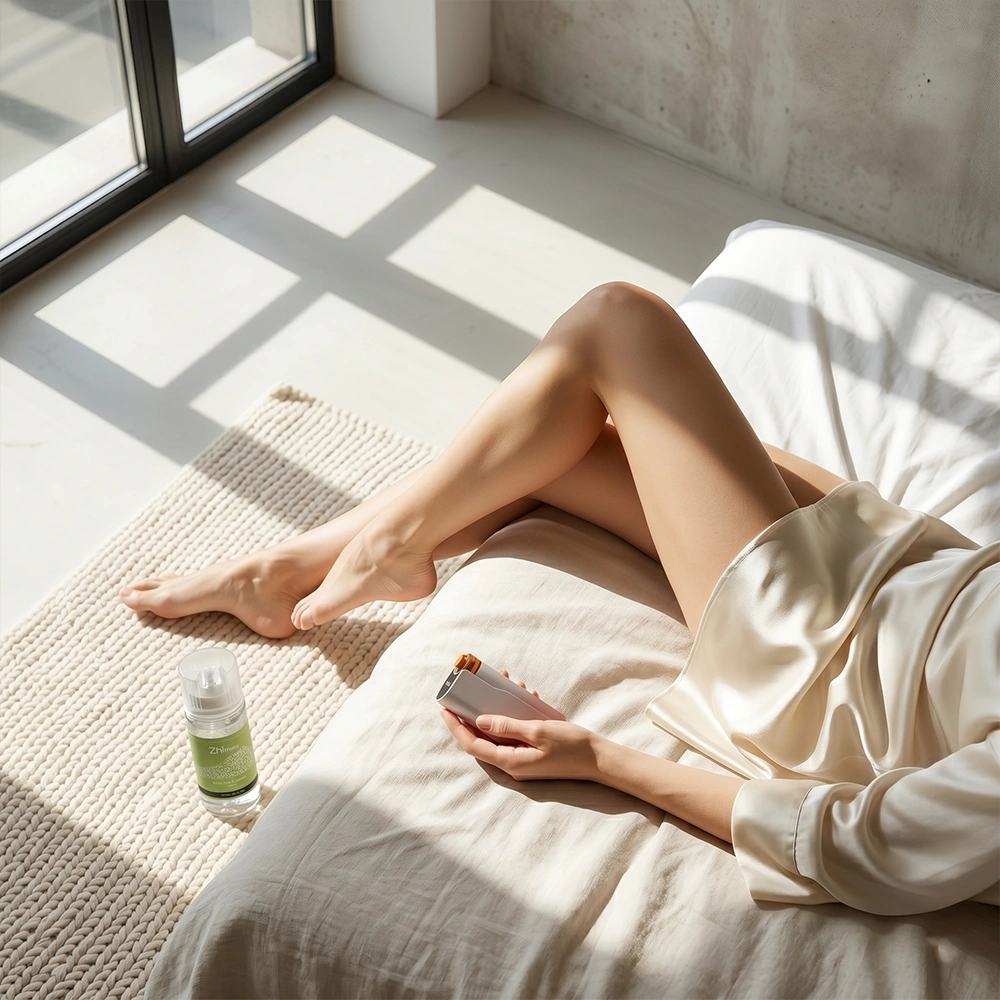
Part of lavender's appeal is how forgiving it is: it is gentle, widely liked, and hard to overdo, which makes it an ideal first oil for anyone starting out (see our beginner's guide to aromatherapy). Its soft character also makes it the perfect partner for winding down (a calm evening routine).
Where lavender grows shapes its character, too — the high-altitude fields of Provence are famous for a particularly soft, rounded true lavender.
Lavender is ideal in the evening and in the bedroom. Run a diffuser on a low, intermittent setting as you wind down, so the scent stays gentle and present rather than heavy. Its softness makes it forgiving — one of the hardest oils to overdo, which is part of why it is such a good beginner scent.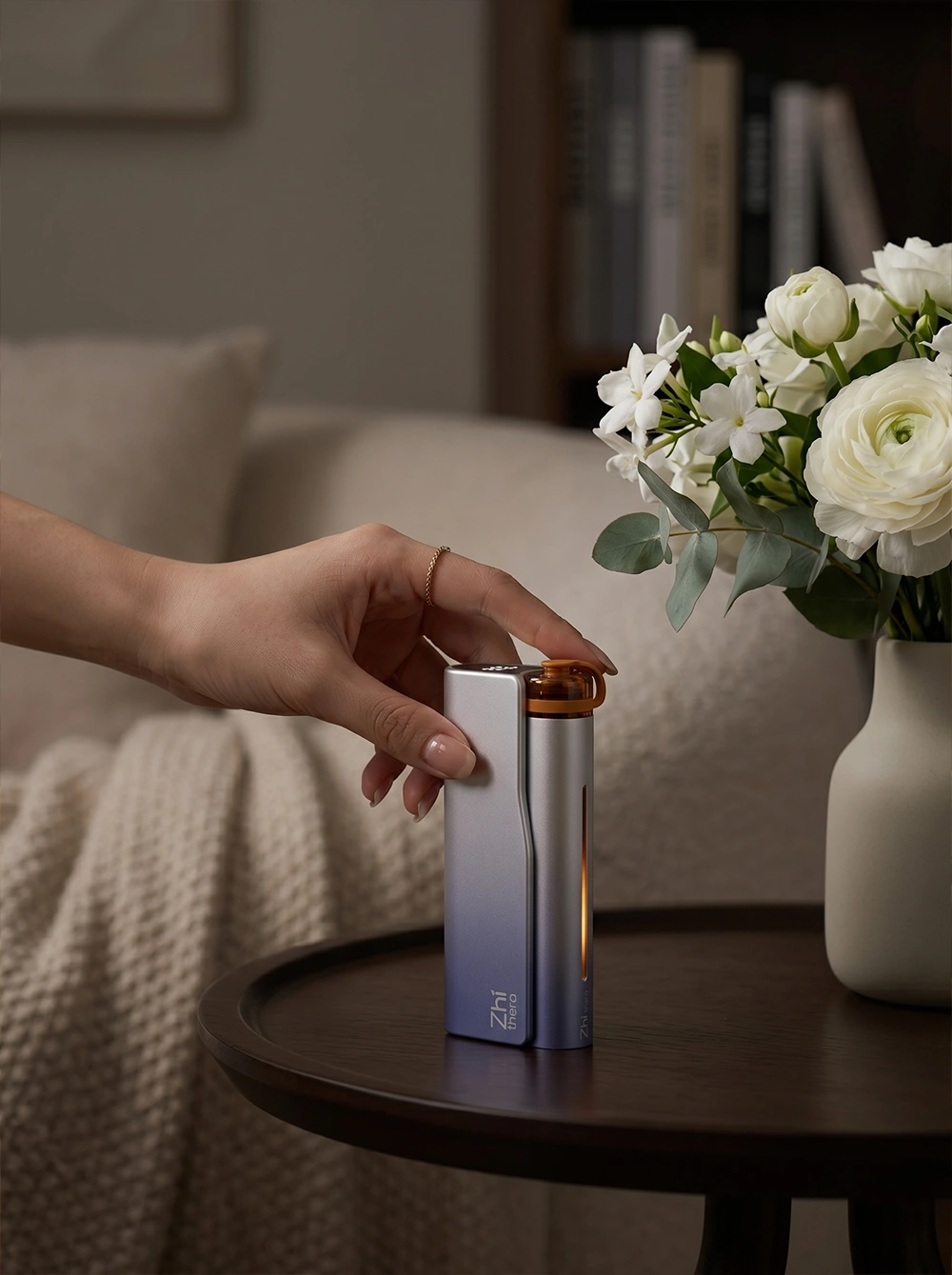
Lavender is a natural team player. Try it with sweet orange for a comforting everyday blend, with cedarwood for a warm, grounded calm, with bergamot for a fresh floral, or as the soft heart of a wider floral blend. It also tempers sharper scents beautifully, rounding off citrus or herbal mixes — see how to blend and layer essential oils.
Zhithera's pure Provence lavender from the essential oil range and its waterless Micro-Mesh diffuser keep the scent clean and true — no water to dilute it, no heat to alter its delicate profile. Add lavender to your evening ritual for a soft, restful ambiance.
Essential oils are aromatic products for diffusion only and are not intended to diagnose, treat, cure or prevent any condition, including sleep concerns.


Zhithera – A Professional Aromatherapy Delivery System Zhithera designs waterless, heat-free diffusers that atomize pure botanical essential oils and designer fragrance oils into a micron-fine mist using Advanced Micro-Mesh Atomization. Built for consistent, controllable aromatic states — focus, relaxation, recovery and restful ambiance — our range serves homes, offices, cars, spas, hotels and retail spaces worldwide. Every batch is traceable and supported by recognized third-party testing, with dependable wholesale and distribution support for partners around the globe.
Aromatherapy & Essential Oil Notice
Zhithera essential oils and fragrance oils are non-medical aromatic products intended for diffusion only. They are not intended to diagnose, treat, cure or prevent any disease or condition, and are not medical devices. Do not apply oils to skin or ingest them, and keep oils and devices out of reach of children and pets. Ensure good ventilation, and if you are pregnant, nursing or have a medical condition, please consult a qualified professional before use. Scent is experienced differently by everyone; discontinue use if any irritation occurs. We make no therapeutic, disinfecting or insect-repellent claims for any Zhithera product.