



 CART
0
Itemes
0.00
CART
0
Itemes
0.00
The short version: diffuse in a ventilated room on a low, intermittent setting, keep oils and the device where children and pets cannot reach them, and always leave a door open so a pet can walk away if it wants to. Stop if anyone — human or animal — shows discomfort. Essential oils are for diffusion only: never apply them to skin or swallow them. The rest of this guide covers the specifics for pets, pregnancy and fragrance-sensitive households.
Good habits matter more than any single rule, and they are few enough to remember:
If you are new to this, the beginner's guide to aromatherapy is a gentler place to start.
It calls for more care than most households realise, and cats deserve the most. A cat's liver metabolises aromatic compounds differently from a human's or a dog's, so compounds that clear quickly in us linger in them. Dogs and cats also have far more sensitive noses, meaning a concentration that reads as pleasant to you can be overwhelming to them. None of this makes essential oils inherently dangerous to pets — it makes concentration, ventilation and freedom of movement the things that matter.
Five habits cover almost every situation: keep the room ventilated rather than diffusing in a closed space; leave the door open so the animal can leave, and never shut a pet in with a running diffuser; keep the device and bottles where they cannot be knocked over or licked; run a low or intermittent setting rather than a strong continuous one; and if your pet drools, sneezes, coughs, or seems unsettled or lethargic, stop and speak to your vet. Never apply oils to an animal or let it ingest them.
These are cautions, not prohibitions — the guidance is ventilate, keep it low, and let the animal leave.
| Oil | Aromatic family | In a pet household |
|---|---|---|
| Australian Tea Tree | Herbaceous | Take particular care — cats and dogs are notably sensitive to tea tree. Ventilate, keep it low, ensure your pet can leave, and stop at any sign of discomfort |
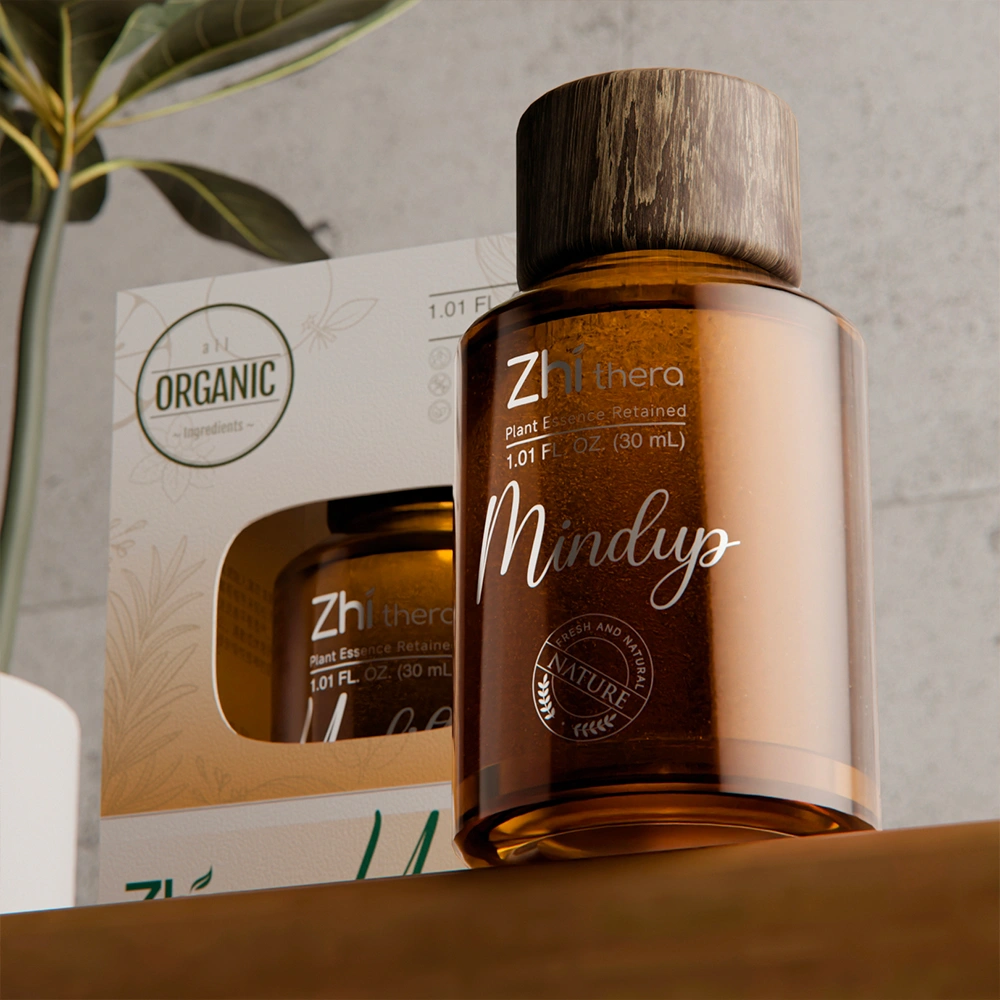
| Mind Up Blend | Mint and conifer | Contains peppermint and conifer notes; ventilate and let pets move away freely |
| Xiangnan Litsea | Citral / citrus-like | Cats are more sensitive to citral and citrus compounds — keep the concentration low |
| Gannan Chenpi | Citrus | Citrus compounds warrant ventilation and a low setting around cats |
| Brazilian Sweet Orange | Citrus | As above — ventilate, keep it light |
| Italian Bergamot | Citrus, photosensitive | As above; also see the photosensitivity note below |
| Moroccan Rosemary | Herbaceous | Ventilate and keep it low. Rosemary also warrants caution for anyone with high blood pressure, epilepsy, or who is pregnant |
| Provence Lavender | Floral | Comparatively gentle, but still ventilate, keep the concentration low and watch for any reaction |
Where an oil is unfamiliar, ask your vet rather than guessing. Two of our oils are covered in more depth in peppermint and eucalyptus and tea tree.
Diffusion means a far lower exposure than applying oil to skin, and Zhithera oils are for room fragrance only, never for topical use. Even so, the sensible course during pregnancy — especially the first trimester — and around infants is to ask your doctor or a qualified aromatherapist first, then keep sessions short and gentle: a ventilated room, a small amount of oil, an intermittent setting rather than continuous running, and the device somewhere an infant cannot reach. Stop at any sign of discomfort. We cannot substitute for your clinician's judgement, and nothing here claims any benefit for pregnancy or for children — only how to keep the aroma light.
Build up slowly to a level everyone in the household is happy with, and take breaks so noses stay fresh rather than fatigued. If anyone gets a headache, irritation or any discomfort, stop and ventilate the room. Anyone with asthma or a sensitive respiratory system should keep the concentration low, stay away from the mist outlet, and stop if breathing feels affected. Older adults and anyone on long-term medication should check with a doctor first.
One more point specific to citrus: lemon, sweet orange, bergamot and grapefruit contain photosensitive compounds such as furanocoumarins. Our oils are for diffusion only, so this is a handling note rather than a usage instruction — keep them off skin that will be exposed to sunlight.
No, and it is worth knowing before you leave one running. A Zhithera diffuser does not stop automatically when the pod empties, and the high setting runs continuously — so an empty pod on high means the unit keeps working with nothing to atomize. For long or unattended sessions, use a low or medium intermittent setting: it uses far less oil and avoids that situation entirely. Switch off or refill promptly once the oil is gone. The same care applies in the car.
Zhithera's adjustable, low-output waterless diffusers make it straightforward to keep scent light and intermittent, which is the single habit that covers most of the ground above. Our botanical essential oils are labelled with their botanical name, plant part, extraction method and country of origin, so you always know what is going into the room.
Essential oils are used in aromatherapy for diffusion only and are not intended to diagnose, treat, cure or prevent any condition; consult a professional for specific health concerns.


Zhithera – A Professional Aromatherapy Delivery System Zhithera designs waterless, heat-free diffusers that atomize pure botanical essential oils and designer fragrance oils into a micron-fine mist using Advanced Micro-Mesh Atomization. Built for consistent, controllable aromatic states — focus, relaxation, recovery and restful ambiance — our range serves homes, offices, cars, spas, hotels and retail spaces worldwide. Every batch is traceable and supported by recognized third-party testing, with dependable wholesale and distribution support for partners around the globe.
Aromatherapy & Essential Oil Notice
Zhithera essential oils and fragrance oils are non-medical aromatic products intended for diffusion only. They are not intended to diagnose, treat, cure or prevent any disease or condition, and are not medical devices. Do not apply oils to skin or ingest them, and keep oils and devices out of reach of children and pets. Ensure good ventilation, and if you are pregnant, nursing or have a medical condition, please consult a qualified professional before use. Scent is experienced differently by everyone; discontinue use if any irritation occurs. We make no therapeutic, disinfecting or insect-repellent claims for any Zhithera product.