



 CART
0
Items
0.00
CART
0
Items
0.00
NEWS & BLOG · July 13, 2025 · By Zhithera
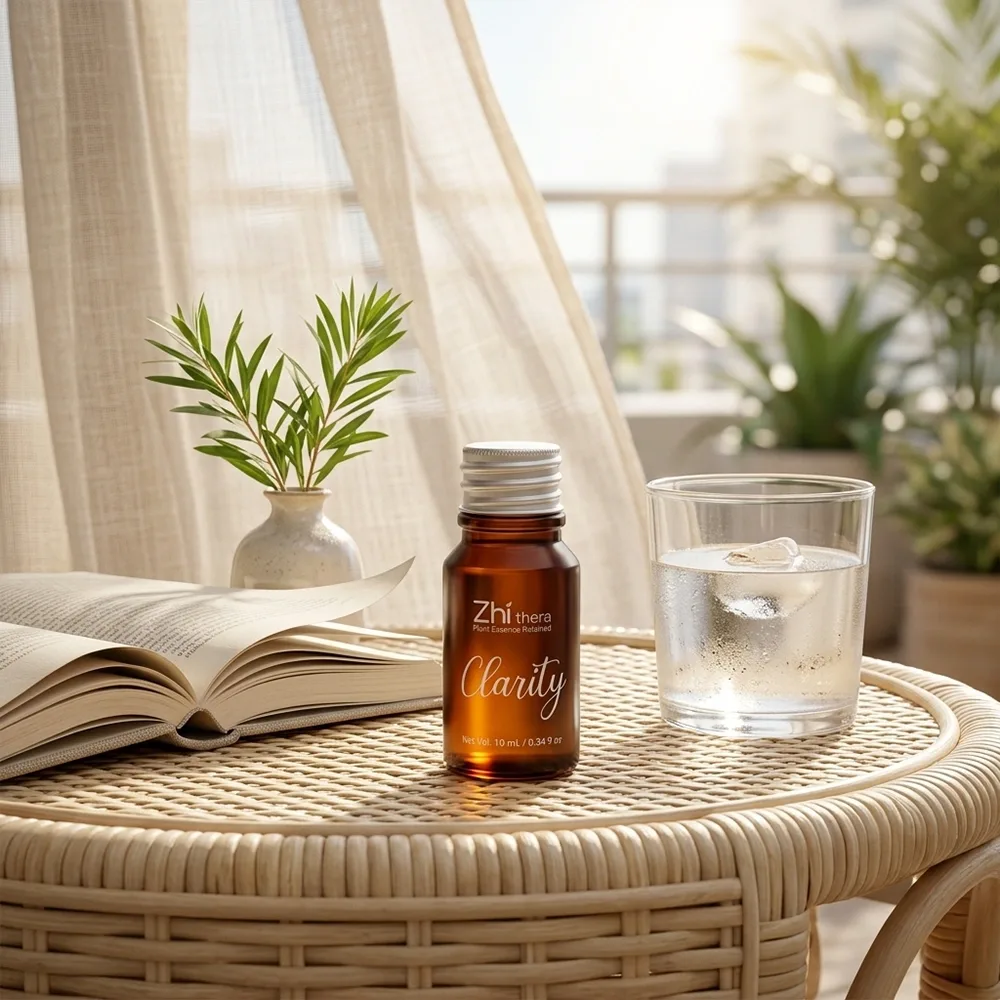
Most essential oils fall into a handful of scent families: bright citrus, soft florals, deep woods, green herbs and cool, fresh notes. Knowing the family tells you most of what you need: how an oil will smell, which rooms and times of day it suits, which setting to start on, and what it pairs well with. This guide walks through each family in turn, with the oils in the Zhithera 10 ml botanical essential oil range marked along the way.
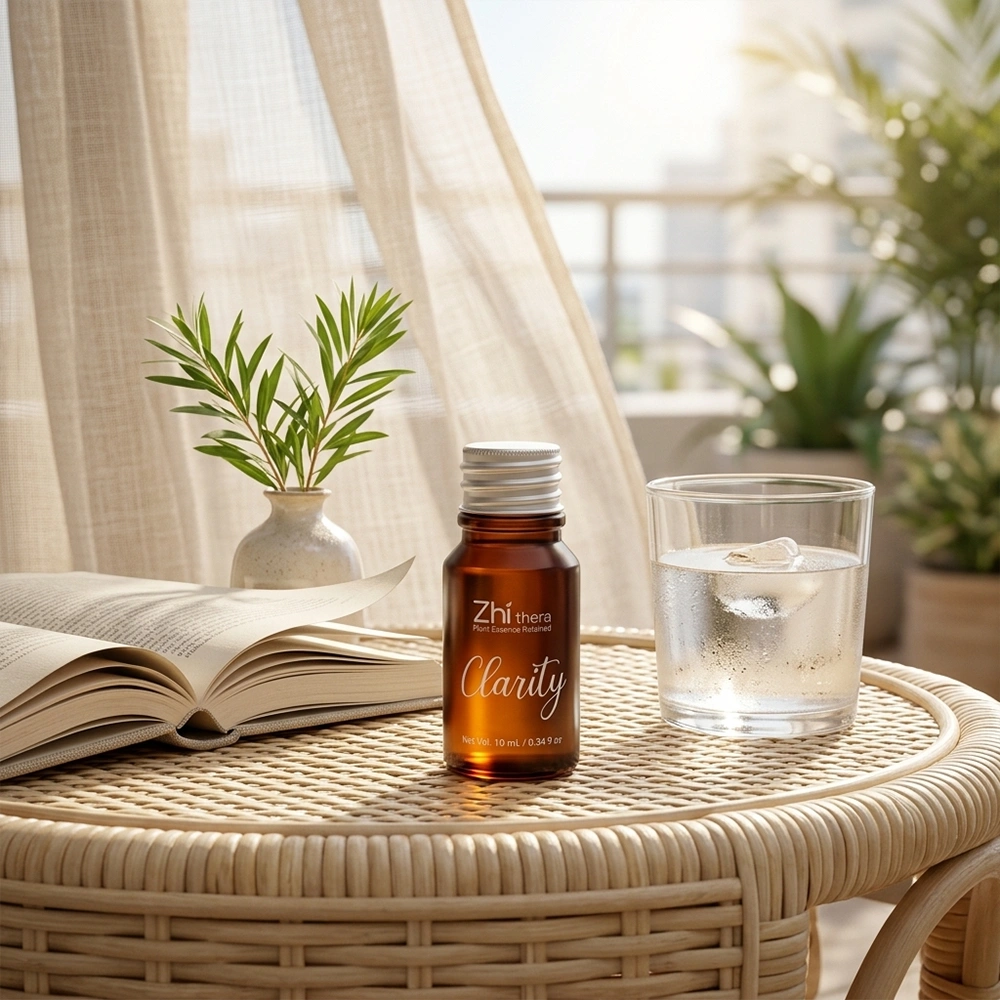
Citrus oils are mostly cold-pressed from the peel rather than steam-distilled, so they keep the just-peeled smell of an orange or lemon. They are rich in naturally occurring compounds such as limonene, which gives them their sparkling character. They fill a small room quickly and fade quickly, and they suit kitchens, living rooms and desks.
In the Zhithera range: Brazilian Sweet Orange, Italian Bergamot, South African Grapefruit, Gannan Aged Mandarin Peel and Hunan Litsea. Zhithera's cartridge is made from oil-resistant materials, so it atomizes undiluted citrus directly, and thin citrus passes through the mesh easily (see how micro-mesh atomization works).
Citrus oils such as lemon, sweet orange, bergamot and grapefruit naturally contain photosensitive compounds. They are for diffusion only and should never touch skin, especially skin that will then be in the sun. Citrus also oxidizes faster than most oils, so keep bottles sealed and use them within a reasonable time after opening.
Florals are the soft side of home fragrance: gentle, a little romantic and easy to live with. Many people choose them for the evening, in bedrooms and living rooms (see creating a calm evening routine).
In the Zhithera range: Provence Lavender and South African Geranium. If you love a fuller bouquet, the Sweetheart of Blooming Flowers fragrance oil pairs Damask rose and peony with a soft musk and patchouli base, and holds longer in a larger room than a pure essential oil does.
Lavender and geranium mist cleanly from the bottle. Absolutes, the form rose and jasmine are often sold in, are naturally thick and waxy, so they can mist slowly or not at all in a mesh diffuser. That is a property of the oil, not a fault in the device; see the thick-oil fix under woods below.
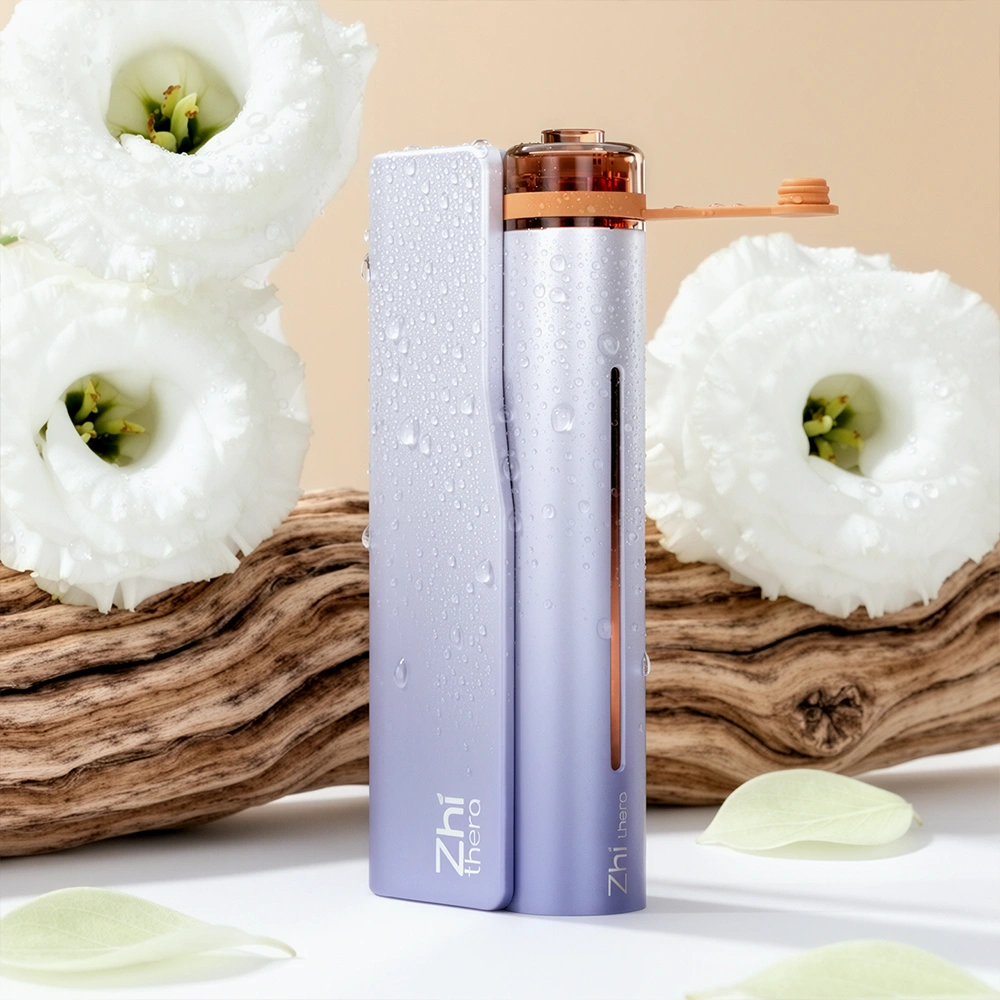
Where citrus is bright and quick, woods and roots are slow and low. They make a room smell lived-in rather than freshly sprayed, add weight that balances lighter scents, and feel especially at home in autumn and winter evenings (more in seasonal scents).
In the Zhithera range: Virginia Cedarwood and Indian Oud. Both come blended with a natural atomization solvent rather than a carrier oil, so they mist without any thinning on your part. If you prefer sandalwood and vetiver, the Eastern Elegant House fragrance oil closes on sandalwood, cedar and vetiver.
Micro-mesh diffusion works best with thin, low-viscosity liquids, and several woody and resinous oils, including sandalwood, vetiver, patchouli, frankincense and myrrh, are naturally thick, as are floral absolutes. If a thick oil you bought elsewhere mists slowly, there are two fixes: thin it with alcohol (roughly 60 to 80 percent alcohol to 20 to 40 percent oil, keeping the oil at no less than 20 percent), or pair it with a free-flowing citrus. Alcohol is flammable, so mix it away from open flame in a ventilated room. Wipe the mesh gently with a tissue or cotton swab before and after a thick oil, without pressing down on it. If the mist still weakens, our guide to a weak diffuser mist walks through the fix, and pure oils vs diluted blends explains why carrier-oil blends clog.
Herbal oils smell like a sunny kitchen garden. They sit between the sparkle of citrus and the depth of woods, clean and lively without being sharp, which makes them a natural fit for a daytime workspace or a busy kitchen.
In the Zhithera range: Moroccan Rosemary, a single-note oil. The others are described so you know what to expect from the family. At a desk or in a car, low or intermittent is plenty; in a study or private office of about 10 to 15 square meters, low to medium. People with high blood pressure or a history of seizures, and anyone pregnant, should seek advice before using rosemary.
These are the scent equivalent of opening a window on a cold morning. They suit bathrooms, entryways, a desk in the afternoon and the car, where the D1 mini clips onto a magnetic mount (see car aromatherapy).
In the Zhithera range: Australian Tea Tree (Melaleuca alternifolia), a pure single oil thin enough to go straight into the cartridge. Zhithera does not currently sell a single-note peppermint or eucalyptus oil; for a similar fresh feel, Moroccan Rosemary and Australian Tea Tree are the closest.
Minty and camphorous oils are among the most intense scents you can diffuse. Use it in a well-ventilated room, for shorter sessions, on the lowest setting. Cats and dogs are more sensitive to tea tree than people are, so in a pet household keep the door open so the animal can leave freely, keep the device and bottle out of reach, and talk to your vet if your pet seems unsettled (see essential oils and dogs).
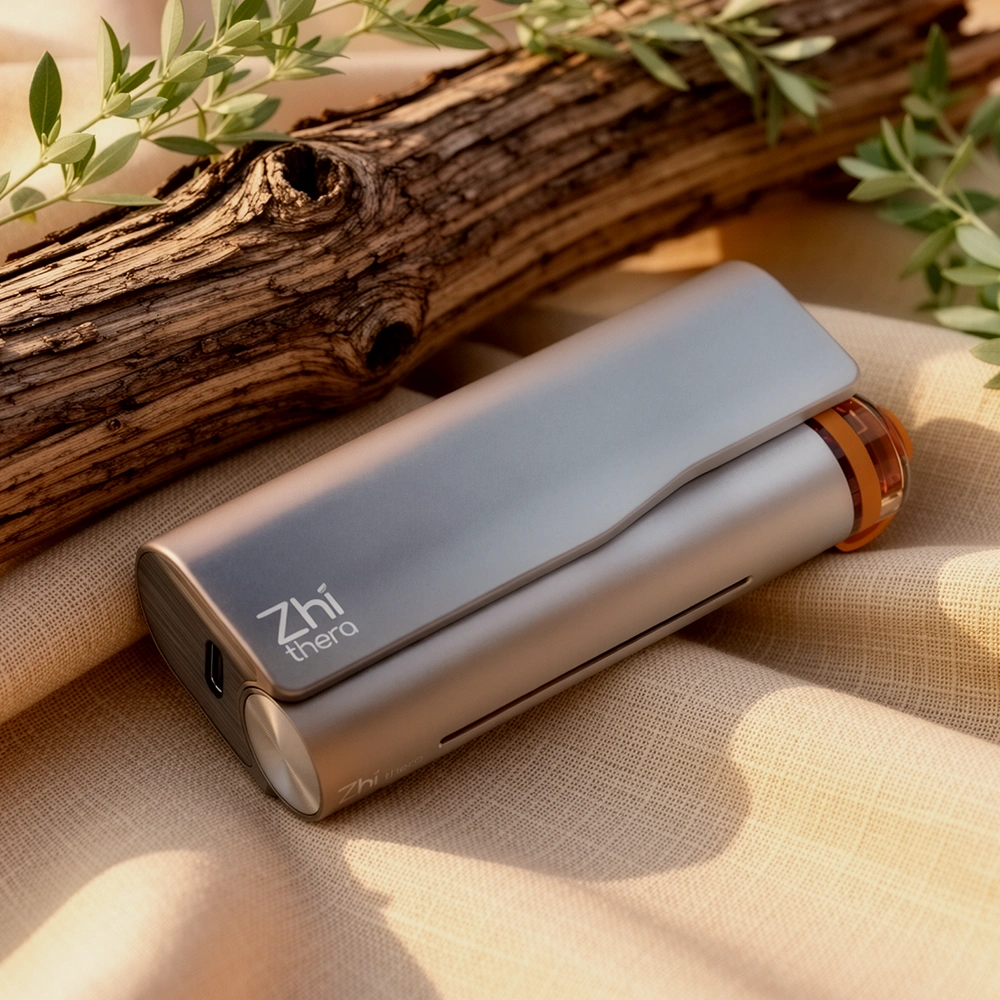
Families that sit next to each other pair most easily: citrus lifts herbs and florals, woods ground citrus and florals, and fresh notes sharpen herbs. Because each oil gets its own cartridge, a pairing is something you run in sequence or in neighboring rooms.
| Pairing | Feel | When to run it |
|---|---|---|
| Sweet orange, then lavender | Cheerful to soft | Kitchen in the morning, bedroom in the evening |
| Grapefruit and rosemary | Crisp and green | Desk in the morning |
| Bergamot, then geranium | Fresh to rosy | Early evening, then later on |
| Citrus and cedarwood | Bright over warm | Living room into the evening |
| Tea tree and bergamot or grapefruit | Bright, green and clean | Bathroom or entryway, short sessions |
| Lavender and cedarwood | Dry, woody and soft | Evenings |
On the D1 mini the magnetic cartridge swaps in about a second, and spare refillable cartridges make it easy to keep one per oil.
Store oils sealed and upright, away from light, heat and flame, and out of reach of children (how to store essential oils). Oils are for diffusion only: never apply them to skin or swallow them, keep oils and devices out of reach of children and pets, and ventilate the room. Pregnant or breastfeeding people, infants, older adults, and anyone on medication or with a chronic condition should consult a qualified professional before use; our guide to essential oil safety around children, pets and sensitive groups has the details.
Citrus or lavender. Both are widely liked, gentle on a low setting, pair easily with other scents and mist cleanly.
Citrus oils are light, small-molecule oils with nothing added to fix the scent, so they spread and fade quickly. Woody oils are heavier and linger, so a low setting is usually plenty.
It is better not to. Mixed oils blur into each other. Swap cartridges instead, or run one scent per room.
Those oils are naturally thick. Wipe the mesh, then either thin the oil with alcohol as described above or pair it with a thin citrus oil, or choose a fragrance oil designed for diffusion.
Low. They come through clearly even at low output, and close range needs very little.
It adds scent, nothing more. We describe tea tree, like every oil, purely by its aroma.
Treat any essential oil with care around animals, and tea tree with extra care: ventilate the room, use the lowest setting, keep the diffuser out of reach, let pets leave freely, and ask your vet if you have concerns.
Zhithera's waterless, heat-free micro-mesh diffusers atomize each of these oils as it is, with no water to dilute it and no heat to change it. Browse the full botanical essential oil range to build a set across the families.
Essential oils are aromatic plant extracts for diffusion only and are not intended to diagnose, treat, cure or prevent any condition.
 October 13, 2026
Private Label Waterless Diffusers and Custom Scents: How OEM with Zhithera Works
October 13, 2026
Private Label Waterless Diffusers and Custom Scents: How OEM with Zhithera Works
 October 13, 2026
Scenting Solutions for Hotels, Offices & Automotive Businesses
October 13, 2026
Scenting Solutions for Hotels, Offices & Automotive Businesses
 October 11, 2026
How Sustainable Are Waterless Diffusers? Water, Oil and Hardware
October 11, 2026
How Sustainable Are Waterless Diffusers? Water, Oil and Hardware
 October 7, 2026
Side-by-Side Diffuser Model Comparison and Tech Specs
October 7, 2026
Side-by-Side Diffuser Model Comparison and Tech Specs
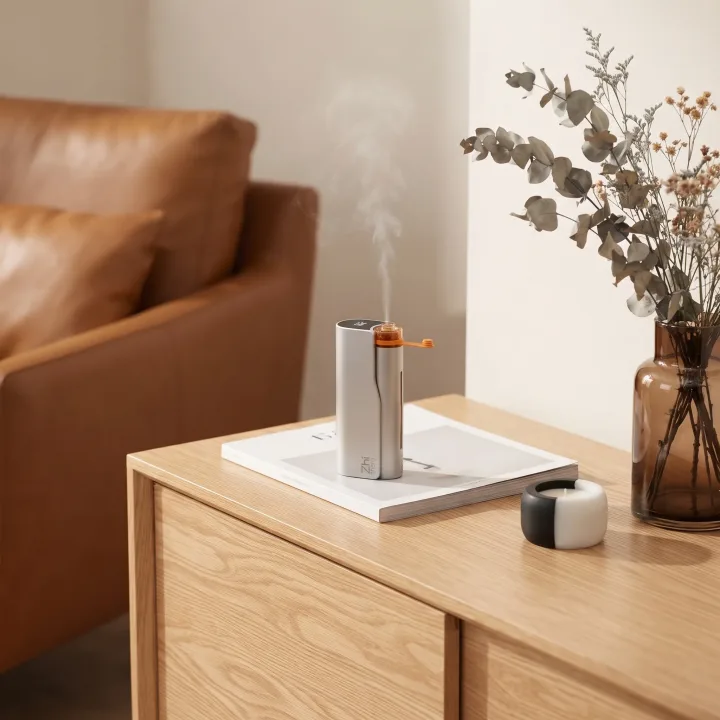 October 4, 2026
Diffusing Essential Oils Around Dogs: Practical Home Guidance
October 4, 2026
Diffusing Essential Oils Around Dogs: Practical Home Guidance
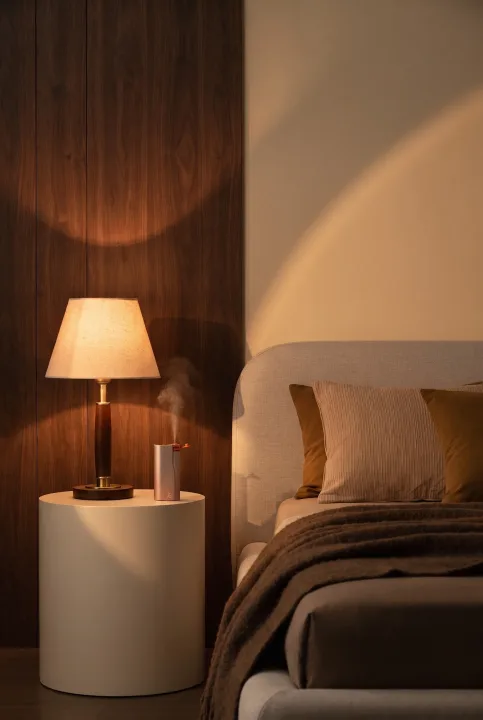 October 3, 2026
Lavender Essential Oil for the Bedroom: Placement and Pairings
October 3, 2026
Lavender Essential Oil for the Bedroom: Placement and Pairings


Zhithera – A Professional Aromatherapy Delivery System Zhithera designs waterless, heat-free diffusers that atomize pure botanical essential oils and designer fragrance oils into a micron-fine mist using Advanced Micro-Mesh Atomization. Built for consistent, controllable aromatic states — focus, relaxation, recovery and restful ambiance — our range serves homes, offices, cars, spas, hotels and retail spaces worldwide. Every batch is traceable and supported by recognized third-party testing, with dependable wholesale and distribution support for partners around the globe.
Aromatherapy & Essential Oil Notice
Zhithera essential oils and fragrance oils are non-medical aromatic products intended for diffusion only. They are not intended to diagnose, treat, cure or prevent any disease or condition, and are not medical devices. Do not apply oils to skin or ingest them, and keep oils and devices out of reach of children and pets. Ensure good ventilation, and if you are pregnant, nursing or have a medical condition, please consult a qualified professional before use. Scent is experienced differently by everyone; discontinue use if any irritation occurs. We make no therapeutic, disinfecting or insect-repellent claims for any Zhithera product.